How Saudi Arabia’s Vision 2030 Is Reshaping the Eastern Province Luxury Real Estate Market
From Aramco expansion to NEOM-adjacent industrial parks, Vision 2030 is the single most important variable in the Eastern Province prime property market. Here’s how to read it.
You cannot have a serious conversation about luxury real estate in Khobar in 2026 without naming Vision 2030. Almost every meaningful change in the Eastern Province market — pricing, supply, regulation, demand — traces back to a policy choice made under the Vision 2030 framework. Understanding it is no longer optional for serious buyers.
The four levers Vision 2030 has pulled in the Eastern Province
1. Foreign ownership reform
The 2024 amendments to the Real Estate Ownership Regulations were the single most consequential policy change for the Khobar luxury segment in the last decade. By legitimising direct foreign ownership of residential property in designated freehold zones — without the previous workaround of a Saudi corporate vehicle — the reform unlocked a buyer pool that was effectively shut out of the market.
2. Aramco workforce expansion and KFUPM growth
Saudi Aramco’s continued investment in IKTVA initiatives and the King Fahd University of Petroleum & Minerals expansion have collectively committed to creating over 65,000 high-skilled jobs in the Eastern Province by 2028. A meaningful share of those workers — and the international expat pool that supports them — will be based in central Khobar, sustaining demand for premium residences with airport and corniche proximity.
3. Tourism and short-stay infrastructure
Tourist visa accessibility, the rollout of the Premium Residency Visa, and the Khobar corniche redevelopment have all contributed to sustained demand for serviced and short-stay-eligible apartments. Buildings near the Hilton and Sheraton hotels that successfully obtained short-stay licensing in 2024–2025 are achieving rental yields 200–260 basis points higher than long-let-only peers.
4. Currency and capital stability
The riyal’s peg to the US dollar continues to act as a structural advantage for international buyers comparing Khobar against London, Dubai, or Singapore. For dollar-based investors, currency risk on a Khobar purchase is essentially zero, which has not gone unnoticed by capital from Asia and the Americas.
Demand we can already measure
The numbers speak more clearly than any narrative:
- Residential transaction volume in Khobar prime submarkets up 41 percent in 2025 vs 2023.
- Average sale price per m² in central Khobar up 19 percent over the same period.
- Foreign buyer share of premium-segment transactions up from 3 percent (2022) to 11 percent (2025).
- Time-on-market for residences above SAR 700K down from 156 to 74 days.
What could change the trajectory
Three risks are worth pricing into any base case:
- Oversupply in specific submarkets. Some districts have permitted volumes that exceed any reasonable absorption forecast. Pick the building, not the city.
- Construction quality compression. Time pressure to deliver inventory ahead of 2030 milestones is straining the supply chain for finishing trades. Buy from developers with completed comparable projects you can walk.
- Yield compression. If capital values continue to climb faster than rental income, gross yields may fall below the 6 percent threshold many investors require.
The opportunity in plain language
The Khobar luxury real estate market in 2026 is structurally different from any prior cycle. The buyer pool is wider, the financing options deeper, and the infrastructure being delivered around premium central districts is on a scale not seen in the Eastern Province in over a decade. For investors who select carefully and avoid the noisier corners of the market, the next 36 months are likely to be one of the more rewarding chapters in the city’s real estate history.
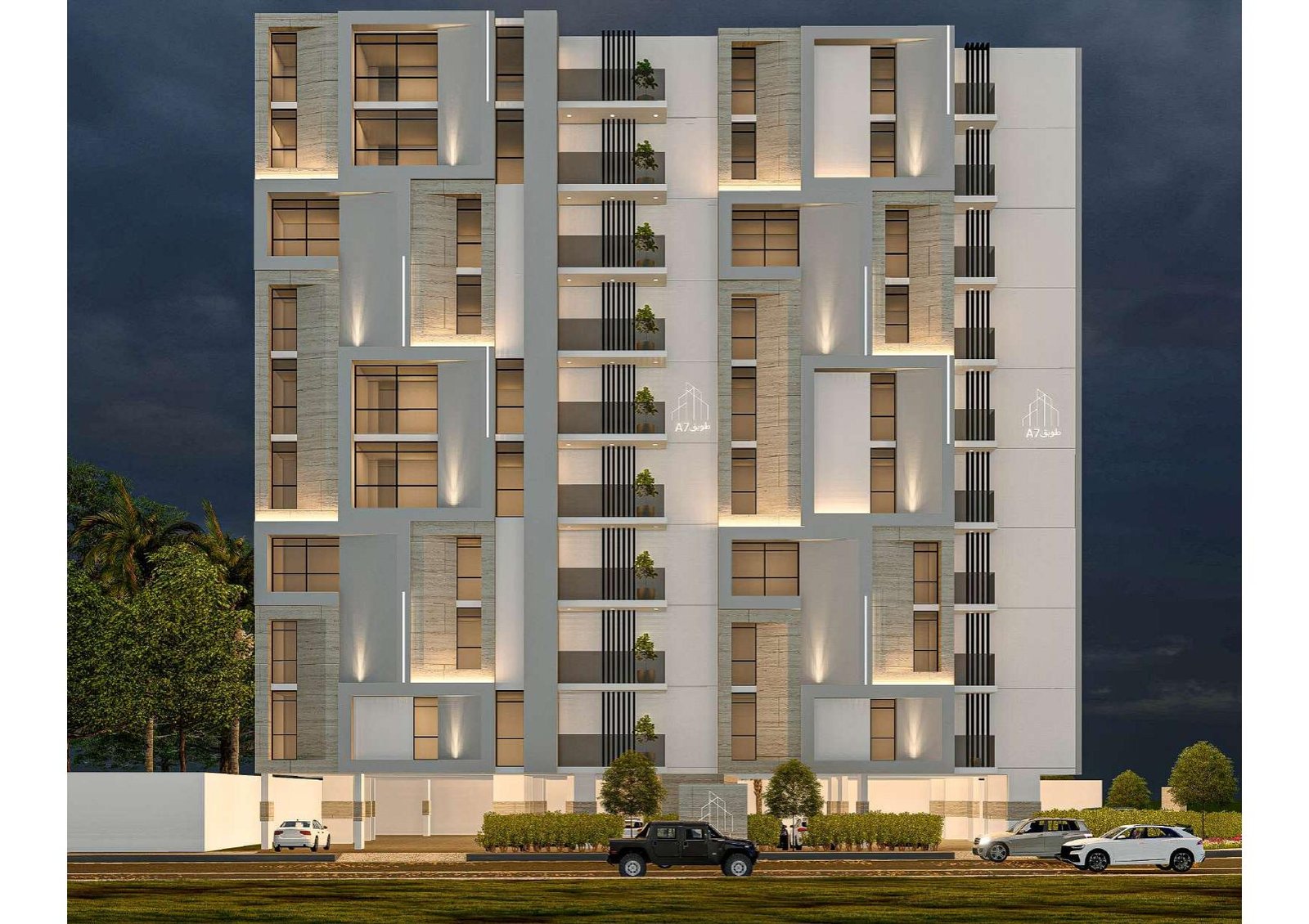
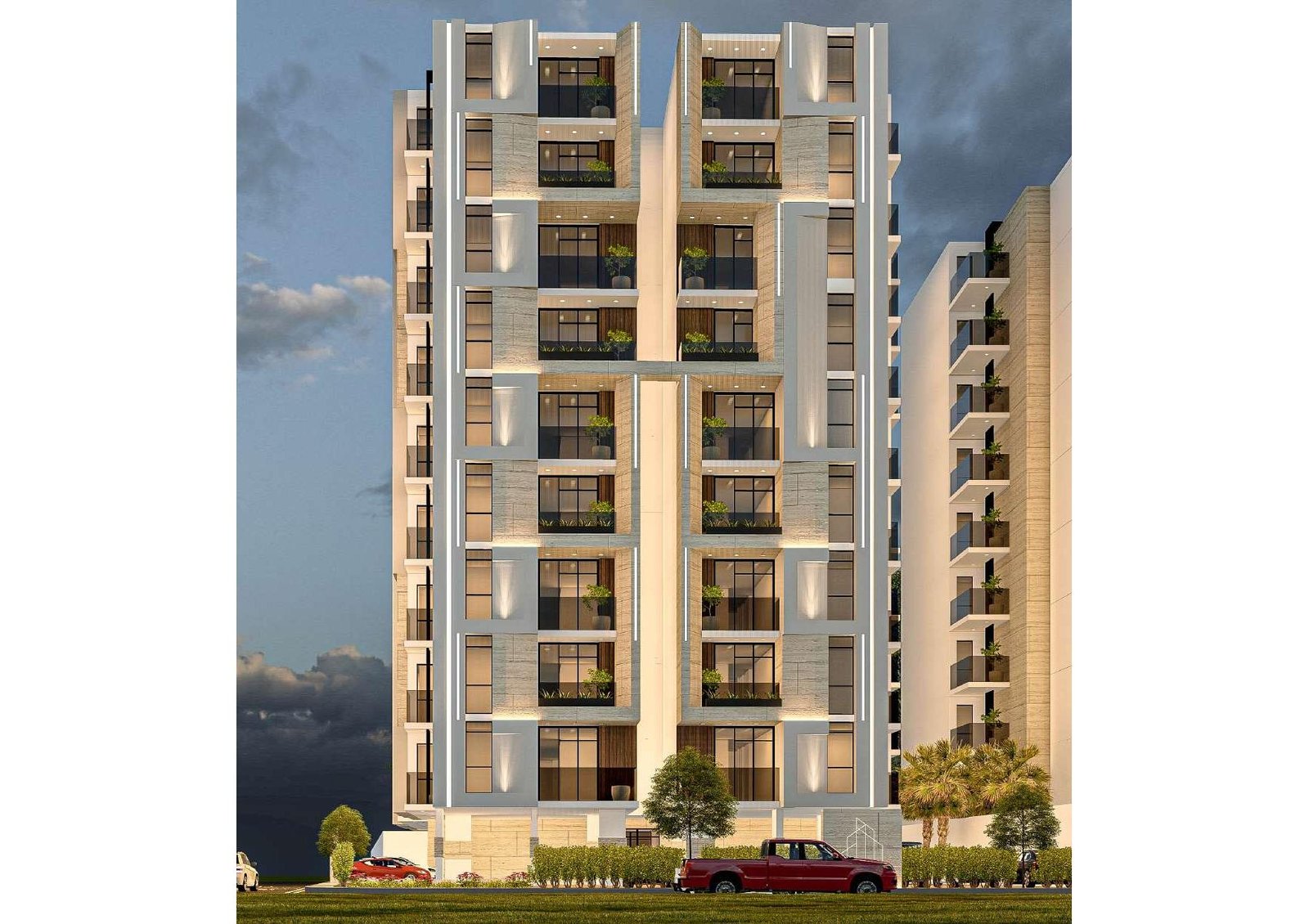
Tuwaiq Residence 7 sits in one of the freehold corridors most directly connected to Vision 2030 infrastructure. Read more about the development or speak with our advisory team.